Designer's main hard skill
I spent half a year on a project where, from a UI standpoint, the work mostly involved arranging fields, table columns, and buttons in the right order (God took pity on me and added some novelty in learning how to thoroughly and systematically document why they should be arranged that way).
And then today, standing in the shower, thinking about how to make senior next year, a thought finally crystallized in my head — one of those completely obvious thoughts that everyone figures out eventually, and now it was my turn: A good designer works with images and emotions.
That's exactly why design is, after all, a creative profession. Arranging fields in the right order is an important part of it (I can't wait until I can skip drawing even those screens and instead describe them as text specs to hand off to development). But choosing, finding, and using metaphors that make an interface great — that's the hardest and most magical part of the work, and one I haven't been doing much of lately.
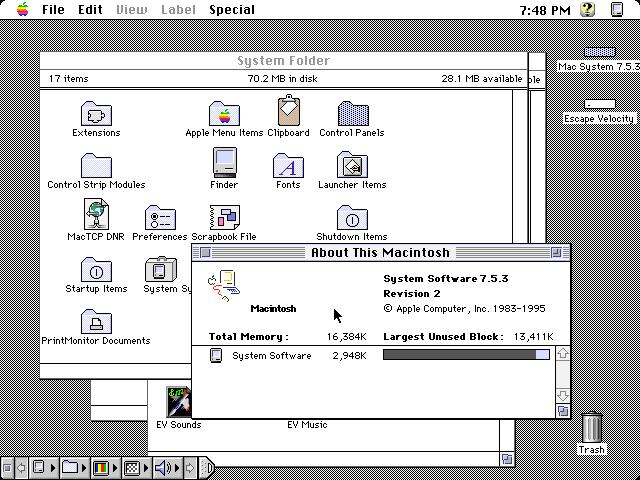
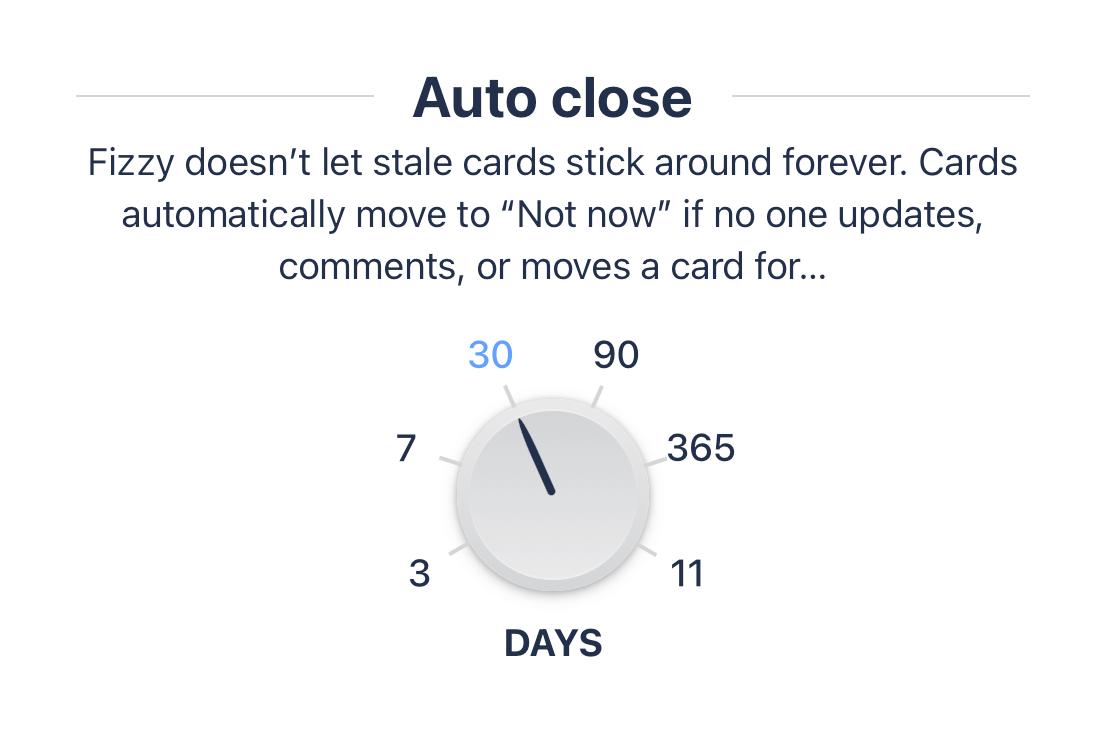
That's why a designer should spend their whole life cultivating the richness of their embodied experience (please don't include things that can kill you with high probability):
- walking,
- traveling,
- dancing,
- working out,
- visiting museums,
- reading books (fiction too),
- listening to different music,
- watching films,
- touching fabrics and wearing clothes that aren't sweatpants.
I'm even more convinced of this when I recall a passage from an interview with Yann LeCun, where he talks about the impossibility of AGI arriving in the form it's currently being marketed — as comparable to human intelligence. Human intelligence isn't general at all; it's actually highly specialized. We live in human bodies and use an intelligence built for our human tasks, living through human experiences. A next-token prediction machine can't do that.
Tapping into bodily, lived experience and synthesizing something new from it — that's the designer's task that an LLM will never be able to simulate.